Can you tell a Charleston single from a coastal cottage when you drive through West Ashley? If you are house hunting here, style is more than looks. It shapes your layout, day-to-day living, maintenance workload, and resale appeal. This guide explains the most common Lowcountry home styles you will see in West Ashley and how to choose the right fit for your lifestyle. Let’s dive in.
What makes a home “Lowcountry”
Traditional Lowcountry homes were built for heat, humidity, and storms. You will notice porches that catch breezes, tall windows for cross-ventilation, and raised foundations that keep moisture and floodwater at bay. Many West Ashley homes blend these classic ideas with modern construction.
You will also see different orientations on the lot. In older forms, the long side of the house faces the breezes, not the street. Newer builds often elevate living spaces and use impact-rated openings and reinforced roof systems to prepare for coastal weather.
Key West Ashley home styles
Charleston single
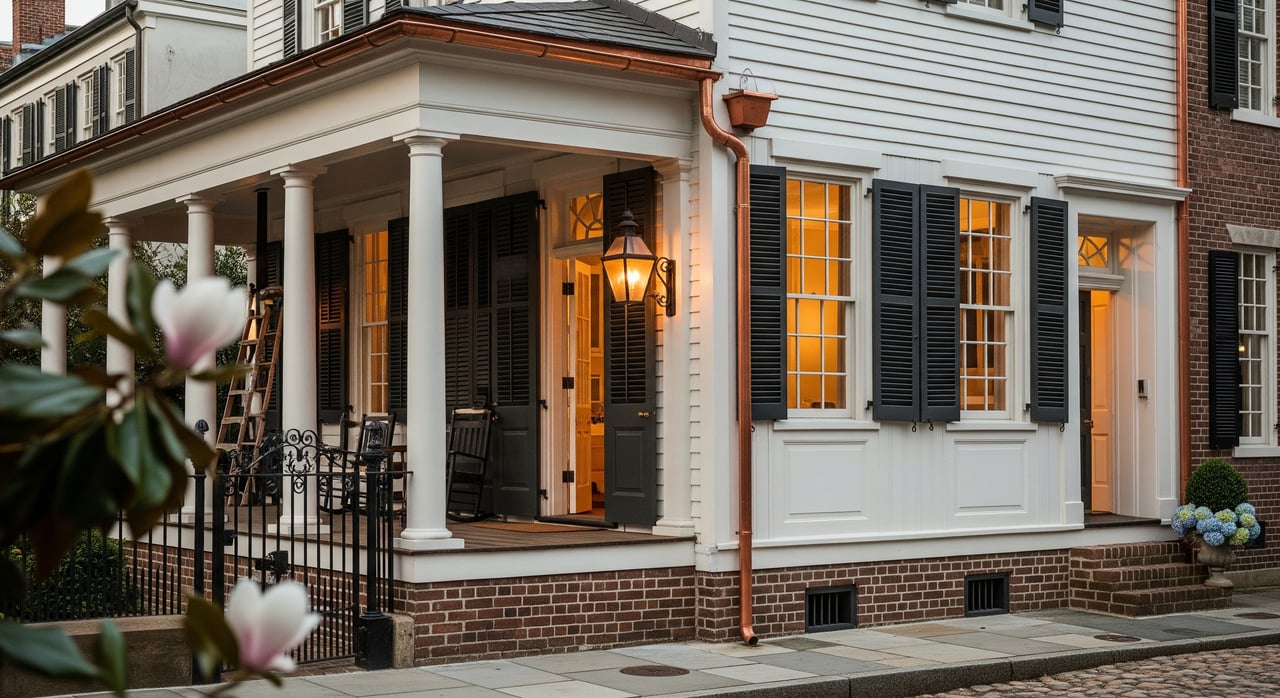
A Charleston single is easy to spot. The narrow end faces the street, while a long side porch, called a piazza, runs along the side of the house. Most are two or three stories with steep roofs and wood siding. The main door often opens from the piazza rather than the street.
Inside, rooms line up in a stacked plan that opens to the piazza, creating a strong indoor-outdoor flow. The design channels breezes and shades walls. In West Ashley, you will find both historic examples and newer homes that borrow this beloved form. If you enjoy porch living and the feeling of a vertical home, this style will speak to you.
Charleston double
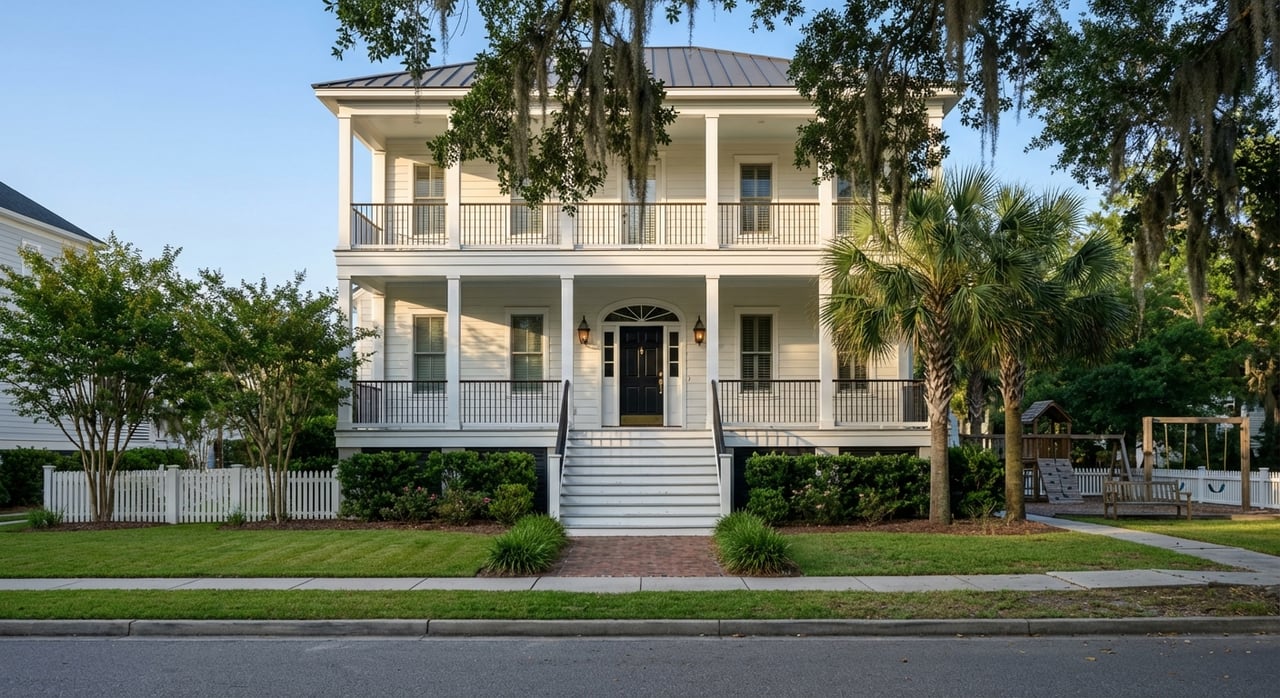
A Charleston double, sometimes called a double house, has a wider, more formal front. Picture a symmetrical two-story facade with a center hall and balanced windows. The plan is two rooms wide and two rooms deep with a central hallway.
This style offers a more formal interior and often larger rooms than a single house. You may see porches, but they are not as dominant as the piazzas of a single. If you want classic architecture with a traditional floor plan, the double house is worth a close look.
Lowcountry cottage
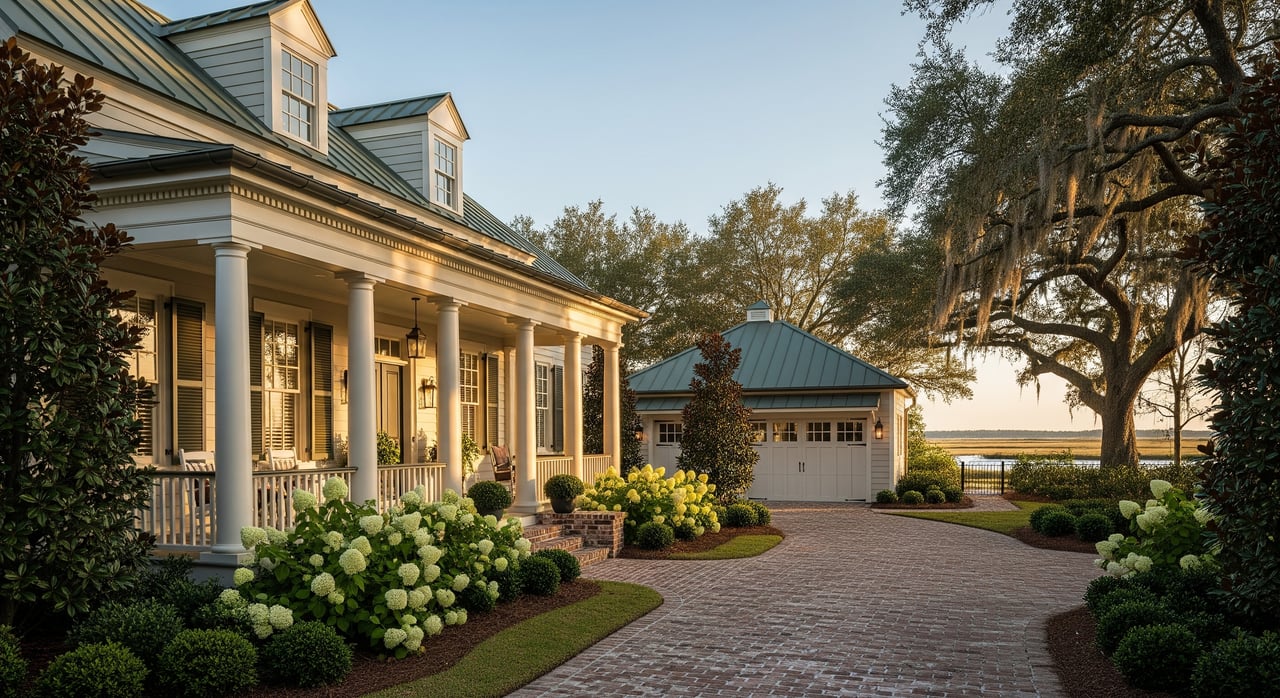
The Lowcountry cottage is a simple, comfortable form found across the region. Most are one to one-and-a-half stories, with a gabled roof and a full-width front porch. Many have dormers to add light or small upper spaces.
Inside, you get a compact, efficient layout with easy indoor-outdoor living. If you like the idea of a manageable home with just enough room and a welcoming porch, a cottage-style home fits well. West Ashley offers many cottages with updated interiors that keep the charm while adding modern comfort.
Ranch
West Ashley has a large number of midcentury ranch homes from the suburban growth years. These are single-story homes with low-pitched roofs and an attached garage. Plans range from closed to semi-open, and many owners open walls to create modern flow.
Ranch homes are popular for their accessibility and ease of living. With no interior stairs and flexible layouts, they adapt well to today’s lifestyles. If you want single-level living that you can update over time, a ranch is a strong contender.
Raised or elevated coastal home
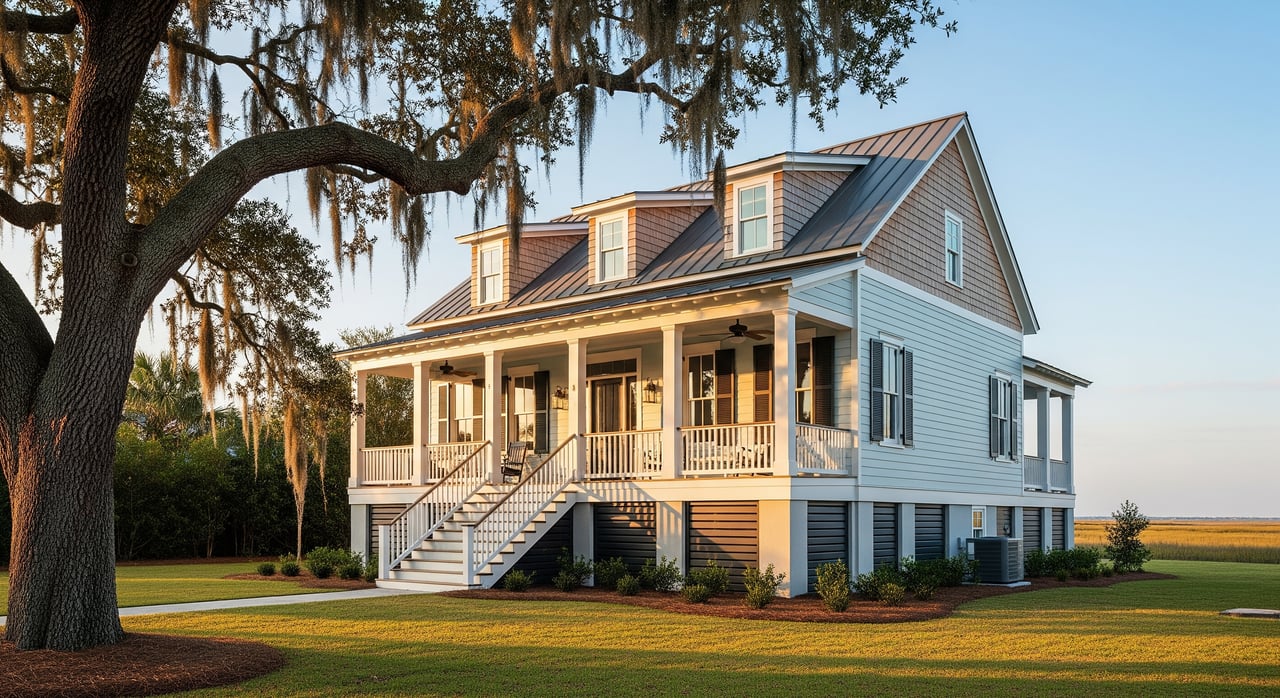
Elevated homes sit on pilings or tall foundations to address tidal flooding and storm surge. The main living floor is above grade, with parking, storage, or mechanicals below. Expect exterior stairs and generous porches.
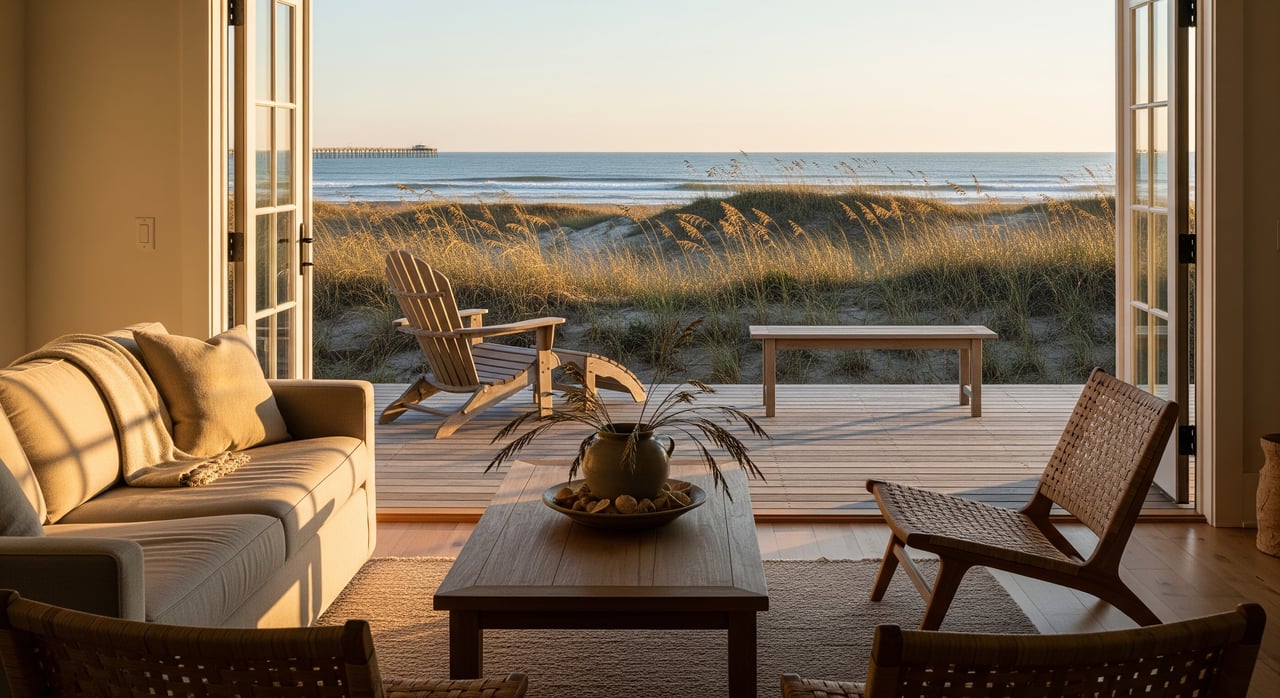
Inside, the first living level is often open plan, with bedrooms above. You will see these homes in newer developments, along marsh edges, or in areas where flood resilience is a priority. If flood-readiness and modern coastal finishes matter to you, this style delivers peace of mind as well as views.
Hybrids and new interpretations
Many West Ashley homes mix features. You might find a ranch on a raised foundation or a cottage-sized home with a side piazza. New infill often pairs historic details with modern codes and elevations. If you love the Charleston look but want newer construction, these hybrids offer a balanced path.
Style, climate, and flood readiness
Charleston’s climate shapes how these homes live. Here is how the core features work for you:
- Passive cooling: Piazzas, high ceilings, tall windows, and transoms encourage cross-breezes and reduce heat buildup.
- Raised foundations: Traditional crawlspaces and piers lift wood framing away from damp ground. Elevated homes move living spaces above typical flood levels.
- Modern resilience: Newer construction often includes reinforced roofing connections, hurricane straps, and impact-rated windows and doors.
- Materials that last: Durable paints, rot-resistant woods, and metal roofs are common. In coastal settings, fasteners and metal components may need extra care due to salt exposure.
If you are considering a home near tidal creeks or low-lying areas, ask about elevation, flood zone, and mitigation features. Elevated mechanicals and well-planned drainage are important across styles.
Maintenance by style: what to expect
Owning in the Lowcountry means staying ahead of moisture, pests, and storms. Each style has its own priorities.
Charleston single and historic cottages
- Exterior wood: Plan for regular inspection, sealing, and repainting. Watch for rot on trim, siding, and porch components.
- Windows and doors: Older openings can draft or leak. In historic areas, exterior upgrades may trigger design review.
- Foundations: Older pier or brick foundations benefit from periodic checks for settling, moisture, and mortar repointing.
- Inspection focus: Structure, moisture, roof connections, termite activity, and the condition of piazza floorboards and supports.
Ranch homes
- Roofing and flashing: Low-pitched roofs need careful attention to drainage and sealing.
- HVAC and ducting: Midcentury systems may need updates for efficient cooling and humidity control.
- Plumbing and electrical: Original systems can reach the end of their useful life and may need modernization.
- Inspection focus: Roof, drainage, slab or crawlspace health, insulation, and overall system efficiency.
Elevated coastal homes
- Salt exposure: Fasteners, railings, and metal components need periodic checks for corrosion.
- Stairs and under-house areas: Weather and pests can wear on exposed components.
- Site and soils: Monitor drainage, potential scouring near pilings, and erosion along marsh edges.
- Inspection focus: Piling integrity, framing connectors, elevated mechanicals, and compliance with local elevation and flood requirements.
Universal Lowcountry upkeep
- Termite protection: Schedule regular inspections and maintain warranties where available.
- Moisture management: Use effective HVAC, ventilation, and dehumidifiers as needed.
- Storm readiness: Consider impact windows or shutters and confirm roof tie-downs.
- Landscaping: Favor salt-tolerant, native plants and grade to direct water away from the foundation.
Resale appeal in West Ashley
Every style can sell well when the home is cared for and positioned correctly. Here is how buyers often view them in West Ashley.
Charleston singles and other historic forms
These homes draw buyers who value traditional Charleston character and authenticity. Well-preserved features and sympathetic updates help them stand out. Renovation flexibility can vary where historic design review applies, so having a clear plan and records of approved work supports value.
Ranch homes
Single-level living has broad appeal. Updated ranches often compete strongly in suburban parts of West Ashley. Opening the floor plan, improving natural light, and modernizing kitchens and baths can unlock value while keeping the easy-living footprint.
Elevated coastal homes
Buyers who prioritize flood resilience and modern systems often gravitate here. Elevated living, impact openings, and reinforced structures can be compelling, especially near marsh corridors or waterways. Documentation of elevation and mitigation measures supports pricing power.
Cottages and bungalows
Cottage-scale homes attract buyers who want a manageable footprint and the charm of porch life. Thoughtful updates that respect the form while improving systems and storage boost marketability.
Permitting, design review, and HOA context
Parts of the City of Charleston use design review for exterior changes in historic zones. That can affect timelines and materials. Many West Ashley neighborhoods have HOA covenants that shape exterior design choices. If you plan to renovate, confirm which rules apply before you buy.
Insurance, lending, and disclosures
Flood zone designations can influence insurance and lending requirements. Elevated homes may reduce expected flood exposure, which can be a selling point. For any style, have elevation certificates, records of past flood claims, and mitigation documents ready. Well-organized files give buyers confidence and can support a smoother closing.
Showing-day checklist: compare styles like a pro
Use this quick list to level-set different homes side by side:
- Foundation and elevation: Slab, crawlspace, piers, or pilings. Request an elevation certificate if available.
- Roof: Type, age, condition, and any reinforcing hardware.
- Exterior: Siding, porches, railings, paint condition, and fasteners.
- Windows and doors: Original or impact-rated replacements. Ask about storm protection.
- Mechanical systems: Location relative to flood levels, age, and service history.
- Drainage and grading: Look for signs of ponding or poor runoff.
- Pests: Termite treatments, warranties, or known history.
- Rules and records: Any design review, permits, or HOA covenants relevant to past or planned work.
- Disclosures: Previous flood claims and any mitigation improvements.
Which style fits your lifestyle
Think first about how you live day to day. If porch time and vertical living sound great, a Charleston single can be a joy. If single-level convenience is your priority, a ranch keeps everything on one floor. If flood resilience and views matter most, an elevated home rises to the occasion. Cottages offer charm and a right-sized footprint, and doubles bring formal balance and space.
Next, match maintenance tolerance and renovation appetite to the style. Historic charm comes with care. Midcentury ranches invite smart system upgrades. Elevated homes need attention to exposed stairs and metals. Finally, consider resale goals. Any style can perform well when the home shows care, documentation is complete, and you price with the neighborhood context in mind.
Ready to explore West Ashley through the lens of lifestyle and architecture? Let our local team guide you to the style that fits how you want to live.
If you are weighing trade-offs or planning updates before a sale, reach out to Weichert, Realtors® - Lifestyle for tailored advice and a next-step plan that matches your goals.
Weichert, Realtors® - Lifestyle is here to help you compare options, preview the right homes, and present your property with polished marketing when it is time to sell.
FAQs
What is a Charleston single and how is it oriented?
- A Charleston single is a tall, narrow home with its long side and piazzas set perpendicular to the street to capture breezes and shade the living spaces.
How does daily life differ in an elevated coastal home?
- You live above grade with stairs to the main floor, parking and storage below, and mechanicals set higher to reduce flood exposure.
Are West Ashley ranch homes good for one-level living?
- Yes, ranch homes keep everything on one floor and often adapt well to semi-open or open layouts with modern updates.
What maintenance should I expect with historic cottages or singles?
- Plan for regular exterior wood care, moisture management, and periodic checks of foundations, windows, and porch components.
How do flood zones affect buying and selling in West Ashley?
- Flood zones can influence insurance and lending; elevation certificates, mitigation steps, and past claim records help buyers assess risk and support resale.
Will historic or HOA rules limit renovations I want to make?
- Some areas use design review, and many neighborhoods have HOA covenants; confirm the applicable rules before planning exterior changes or additions.