Thinking about making Folly Beach your full-time home? You probably picture sandy mornings, surf sessions after work, and a laid-back neighborhood vibe. That vision is real, but daily life also has unique coastal details you should know. In this guide, you will learn what living on Folly looks like season to season, how commutes and services work, what to expect from homes and maintenance, and the key steps to take before you buy. Let’s dive in.
Daily life and vibe
Folly Beach blends a small-town feel with a lively coastal scene. The island has a core group of year-round residents, plus second-home owners and vacation rentals that bring seasonal energy.
Near the pier and downtown, you find restaurants, surf shops, coffee spots, and more foot traffic. This area feels most active in peak months. Quieter residential sections sit farther from the pier and around marshfront areas, where evenings and off-season days feel more low-key. You can pick the rhythm that fits you best.
Many residents work in or around Charleston and enjoy Folly as a peaceful base. If you want small-island living with quick access to a major Southern city’s dining, arts, and healthcare, Folly hits that balance.
Homes and construction
Common home types
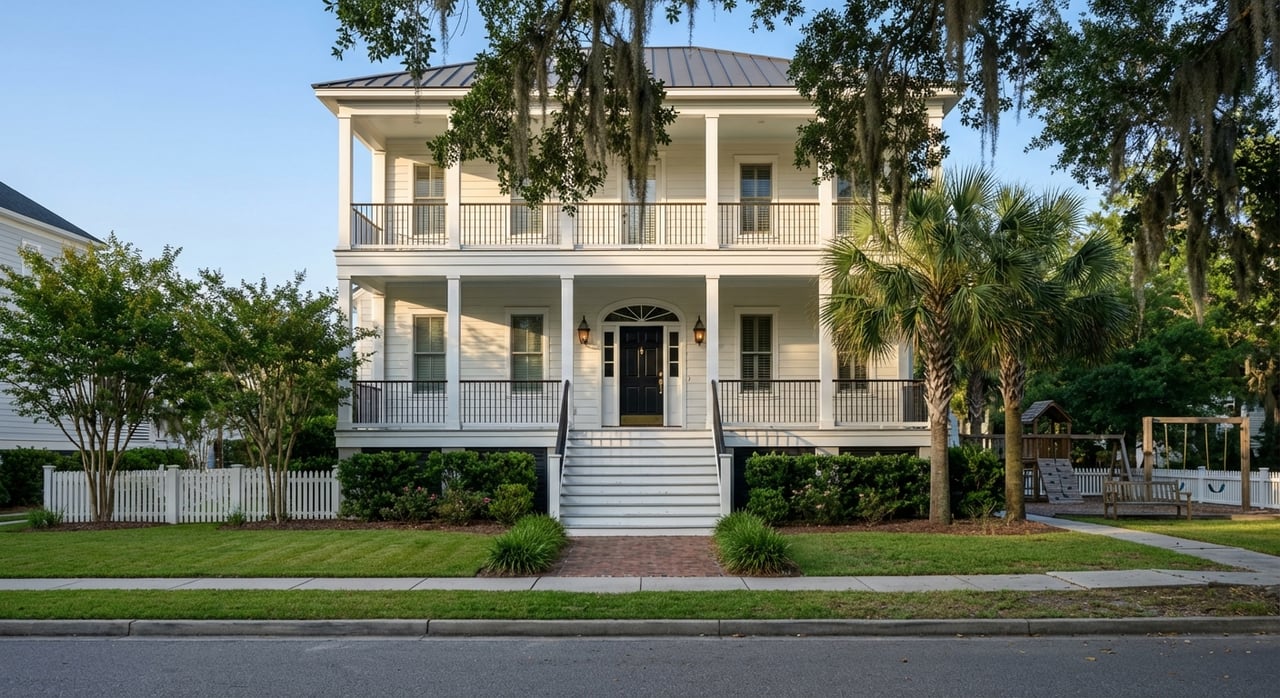
You will see a mix of raised single-family homes on pilings, older wood cottages, and newer custom builds designed for wind and flood resilience. There are also small condo buildings, duplexes, and multi-unit rentals. Most homes feature decks, outdoor showers, and storage for boards and beach gear.
Coastal construction and upkeep
Elevation is normal on Folly because much of the island sits in FEMA flood zones. Building codes have tightened after past storms to improve wind and flood performance, so newer homes often include stronger materials and higher elevations. Salt air speeds up corrosion and wear, so plan for more frequent exterior paint, deck care, fastener replacements, HVAC maintenance, and coastal-grade finishes.
Before renovating, check city permits and local code. Folly Beach is an incorporated city with its own rules for building, short-term rentals, and parking.
Costs and insurance
Owning on a barrier island comes with unique carrying costs. Flood insurance is often required if the property is in a FEMA Special Flood Hazard Area, and premiums vary by elevation, age, and policy type. Wind and hurricane coverage is commonly part of coastal homeowners’ policies and may include higher windstorm deductibles than inland homes.
Property taxes are set by Charleston County. Many owners also budget for higher maintenance due to salt and moisture exposure. The smartest move is to get homeowners, wind, and flood insurance quotes early in your search so you can compare total costs across properties.
Commutes and transit
Folly Road is your main route across James Island to the rest of Charleston. Off-peak, the drive to downtown Charleston often takes about 20 to 40 minutes. During rush hours and busy tourist season, plan on extra time. Since there is one primary road on and off the island, congestion can build and alternate routes are limited.
Public transit options are more limited than in urban neighborhoods, so most residents rely on cars. If commute timing matters to you, test the drive during the hours you care about most.
Schools and services
Elementary options are nearby, while most older students attend schools on the mainland within the Charleston County School District. Check current attendance zones and bus routes directly with the district, since boundaries can change.
Urgent care and hospitals are located on the mainland in the James Island and Charleston areas. Folly Beach operates local police and fire services. Many homes are connected to municipal water and sewer; confirm service for any specific property, since some older or fringe parcels may have different setups. Broadband and cellular coverage are available in most areas, but performance can vary by location and provider.
Short-term rentals
Rules and permits
Short-term rentals are common and can be strong income sources in summer. Folly Beach regulates STRs, so you generally need a local business license and must follow city rules for occupancy, noise, parking, and registration. Regulations evolve, so verify current requirements before you buy or convert a property.
Neighborhood impact
STRs bring seasonal energy and can increase parking demand in certain blocks, especially near the beach and downtown. In quieter residential areas, you may notice less turnover. If STR income is part of your plan, model it carefully and weigh it against neighborhood fit.
Is it right for you?
An STR can help offset costs for many owners. Be realistic about seasonal occupancy, management fees, insurance, utilities, and maintenance. If you prefer a calmer, consistently residential feel, focus on blocks farther from the pier and confirm any HOA or condo rules that limit rentals.
Seasons and storms
Tourism rhythm
Peak season runs from late spring through early fall. Expect more visitors, longer restaurant waits, and fuller beaches. In late fall and winter, the island is quieter, and some businesses reduce hours or close for part of the season. Many owners schedule maintenance during these months.
Hurricanes and flooding
Hurricane season runs June 1 to November 30. Folly can experience high winds, storm surge, and coastal overwash in significant storms. Temporary bridge or road closures and evacuations may occur. Nuisance tidal flooding can affect low-lying streets during king tides, so it is wise to review elevation certificates and local flood history for any property you consider.
Erosion and shoreline projects
Beach erosion and nourishment cycles are part of barrier-island life. Federal, state, and local agencies have managed nourishment and stabilization projects in the past. These efforts can impact shoreline conditions and access in certain periods, so stay informed about planned work.
Recreation and errands
If you love the water, Folly delivers. Surf breaks, fishing off the pier and inlets, kayaking and paddleboarding in the marshes, and long beach walks are part of daily life. Biking and birding are popular, and the Morris Island Lighthouse is a favorite viewpoint.
For everyday needs, you will find casual dining, coffee, surf shops, and small local stores near the pier area. For bigger grocery runs, medical visits, and wider retail, most residents head to James Island or into Charleston.
Buyer due diligence
Use this checklist to evaluate any property on Folly Beach:
- Flood and elevation: Review FEMA flood maps for the parcel, request an elevation certificate, and ask about past flooding or storm damage. Get quotes from both NFIP and private-market insurers.
- Structure and systems: Inspect pilings, foundation, roof age, HVAC age, electrical systems, and signs of salt corrosion or wood rot. Hire a home inspector with coastal experience.
- Local rules: Confirm Folly Beach municipal rules for building, parking, and short-term rentals. Check HOA or condo documents for rental restrictions and special assessments.
- Commute and services: Test your commute during peak hours. Confirm water and sewer service, internet options, and proximity to grocery, medical care, and childcare if relevant.
- Insurance and taxes: Request homeowners, wind, and flood insurance quotes, and review property tax history and current assessments. Budget for higher coastal maintenance and possible higher deductibles.
- Rental plan: If you intend to rent, verify permits and licensing needs. Build a conservative income and expense model that includes management, utilities, cleaning, supplies, and maintenance.
Is Folly Beach right for you?
You will likely love Folly if you want island living with a strong surf and outdoor culture, and you are comfortable planning for coastal maintenance and seasonal rhythms. The payoff is a relaxed, connected lifestyle close to Charleston’s jobs, arts, and dining.
If you are weighing a full-time move or a second home with potential rental income, let a local expert guide you through flood zones, insurance quotes, and neighborhood-by-neighborhood fit. Reach out to Weichert, Realtors® - Lifestyle for neighborhood insights, curated property options, and a smooth path from search to closing.
FAQs
What is daily life like near the Folly Beach pier versus quieter areas?
- The pier and downtown feel most active with dining and visitors, while residential sections away from the pier are typically calmer, especially in the off-season.
How long is the commute from Folly Beach to downtown Charleston?
- Off-peak, many residents report about 20 to 40 minutes, with extra time needed during rush hours and busy tourist months due to the single main road.
Which schools serve Folly Beach, and how does bussing work?
- Elementary options are nearby, and most older students attend mainland schools within Charleston County School District; confirm current attendance zones and bus routes with the district.
What building standards apply for wind and flood on Folly Beach?
- Most homes are elevated and must meet local building codes that reflect updated wind and flood resilience; confirm requirements with the city before building or renovating.
Do I need flood and wind insurance to buy on Folly Beach?
- Lenders often require flood insurance for homes in FEMA Special Flood Hazard Areas, and coastal policies typically include wind or hurricane coverage with specific deductibles; get quotes early.
How common is nuisance tidal flooding on Folly Beach?
- Low-lying streets can see periodic flooding during king tides or heavy rain; review elevation certificates, flood history, and city resources for the block you are considering.
What are the pros and cons of owning a short-term rental on Folly Beach?
- Summer income can be strong, but you must follow city rules and factor in management, utilities, cleaning, maintenance, and seasonal demand when evaluating net returns.